Aftermarket pricing: how equipment makers price spare parts and service kits
Aftermarket pricing is how an equipment maker prices what it sells after the machine is installed: spare parts, wear parts, service kits and repairs. Standard parts that customers can buy elsewhere need a price near the market. Parts made to the maker’s own drawings can carry a price set on value, above a cost floor. This guide sorts parts into classes, prices a service kit line by line and shows how AI keeps thousands of part prices tied to cost.

What aftermarket pricing covers
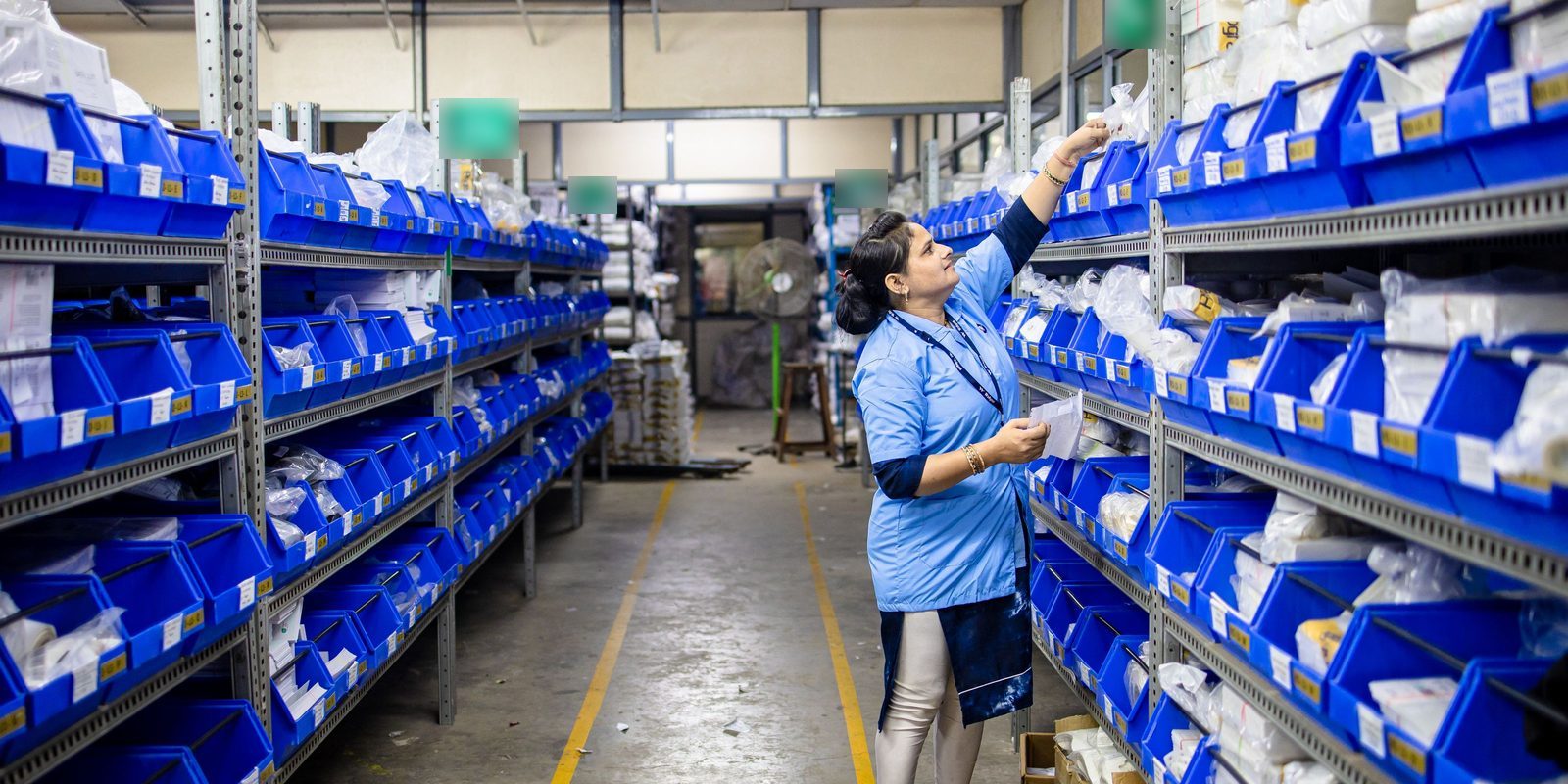
The aftermarket is everything a customer buys from the equipment maker after the first sale. For an equipment maker it can include:
- Spare parts that replace a failed or damaged component.
- Wear parts and consumables that are replaced on a schedule, such as seals, belts, filters and liners.
- Service kits that bundle the parts for a planned job, such as an annual service on one machine model.
- Repairs, exchange units and field service labour.
- Upgrades and retrofits that bring an installed machine up to a newer design.
For some makers, this is most of the business. Weir Group, which makes equipment for mining, reported 2025 revenue of £2,564.5 million in its full-year results statement. Aftermarket parts, services and subscriptions made up £2,059.9 million of that, about 80 percent. Original equipment made up the remaining 20 percent, roughly.
A 2006 Harvard Business Review article on the aftermarket gives two reasons the business matters beyond its size. Growing parts and service sales costs less than finding new customers. Supporting the installed base also gives the maker an inside view of its customers’ operations that rivals find hard to get.
Why parts pricing differs from equipment pricing
A new machine gets its own quote and approval. A spare part gets its price from a list, and a parts list can run to thousands of lines. Lines that sell a few times a year are easy to leave alone, so their prices stay where they were set while costs move.
The economics of each line also differ. A standard bearing sells against every distributor that stocks the same bearing number. A part made to the maker’s own drawing may have no direct substitute. When that part stops a machine, delivery time can matter as much as the price. A single markup across both kinds of part overprices one or underprices the other.
OpenStax’s Principles of Marketing describes pricing objectives that all have a place in a parts list, among them cost-based, competition-based and customer value-based pricing. It warns that a cost-based price may not match the value the customer sees. In a parts list, that mismatch can run either way, and the class of the part tells you which way.
Classify parts before you price them
Set price rules per class of part rather than line by line. The classes below are one practical way to sort a parts list, and each one gets its own method.
| Part class | What it is | What sets the price | What sets the floor |
|---|---|---|---|
| Standard parts | Catalogue items such as bearings, seals and lubricants, sold under the same number by others | The market price the customer can find elsewhere | Purchase cost plus handling |
| Wear parts to drawing | Parts made to the maker’s drawing that wear out and are replaced on a schedule | Value to the customer and the part’s price history | Cost times the class multiplier |
| Critical parts to drawing | Parts that stop the machine when they fail, with no direct substitute | The value of uptime, set with the customer relationship in mind | Cost times the critical-part multiplier |
| Slow movers | Parts sold rarely and kept to support older machines | The cost of holding and supplying them | Full cost, including storage |
| Service kits | Bundles of parts for a planned job on one machine model | The sum of the line prices, less any kit discount | Kit cost plus kitting labour |
Write each class rule down, with its multiplier and its floor. Then a price can be checked against the rule, and a change to the rule reaches every part in the class at once. The guide to cost-plus pricing covers the floor side of that rule in detail.
Setting the price in each class
Each class gets its own method. The rules below are a starting point that a pricing manager adjusts to the plant’s own costs and customers.
- Standard parts. Find the price a customer pays at a distributor for the same standard number, and price at or near it. If your cost is above that price, look for a cheaper source or drop the part from the list, as SKU rationalization describes.
- Wear parts made to drawing. Start from cost times the class multiplier, then check the price history. A part that customers buy every year should not jump in price without a reason they can see.
- Critical parts. Price on the value of uptime, with a floor well above cost. Keep the price stable and back it with stock on the shelf, because availability is part of what the price pays for.
- Slow movers. Count the cost of holding the part for years, not only its purchase cost. A part kept for one old machine model ties up shelf space and capital until it sells.
Whatever the method, keep one list price for the same part in every kit and every list, and show any kit discount separately.
What to watch after a price change
Track unit sales by class for a few months after a change, and keep a list of the parts quotes that customers declined. A fall in sales of a standard part suggests its price sits above what customers can find elsewhere. Repeated questions about one part can point to a price that changed without a reason the customer could see.
Find the part prices that fell behind cost
Tell Derik which ERP you run and where your parts prices and costs live. He will tell you what a four-week margin and pricing review would cover.
Start a conversationWorked example: pricing a service kit
Every cost, reference price and multiplier below is a made-up example, computed with a short script. The kit is an annual service kit for a conveyor drive. It holds three standard parts, two parts made to the maker’s drawing and 12 minutes of kitting labour.
| Line | Class | Qty | Unit cost | Method | Unit price |
|---|---|---|---|---|---|
| Ball bearing, standard size | Standard | 2 | $14.20 | Market reference | $24.00 |
| Shaft seal, standard size | Standard | 2 | $6.80 | Market reference | $12.50 |
| Gear oil, 2 L | Standard | 1 | $18.00 | Market reference | $28.00 |
| Gasket set, to drawing | Wear part | 1 | $9.50 | Cost × 2.2 | $20.90 |
| Coupling insert, to drawing | Critical part | 1 | $38.00 | Cost × 2.0 floor | $76.00 |
The parts come to $197.90 at their line prices. Kitting labour costs $14.00 and sells at $19.00, so the kit is priced at $216.90. Its cost is $121.50, which leaves a 44.0 percent margin on the kit.
The coupling insert shows why classes matter. Its list price of $49.00 was set when it cost $29.00, a 40.8 percent margin. It now costs $38.00, and the same $49.00 earns 22.4 percent. The class floor puts it at $76.00, a 55 percent increase, which a pricing manager may phase in rather than apply at once. Each customer’s agreement decides how much notice a change needs.
Service kits and the installed base
A service kit is only right if it fits the machine it ships to. The kit for a conveyor drive depends on the drive size, the motor and the options that machine was built with. The record of what was built is the installed base: each machine, its configuration and its bill of materials as shipped.
A maker that sells configured equipment can create that record at the sale. A product configurator keeps the options chosen and the bill of materials for every order. Read it back, and you know which wear parts each installed machine uses and which kit it needs.
That record also shapes the kit price. A kit built for one machine’s actual parts list can be priced from the line prices of those parts. A generic kit that guesses at the configuration either ships parts the customer cannot use or misses one the job needs.
Canada’s repair rules and aftermarket prices
Canada changed two laws in 2024 that touch the aftermarket. This is a summary, not legal advice.
Bill C-244 received royal assent on November 7, 2024, as LEGISinfo records. It amends the Copyright Act to allow a technological protection measure to be circumvented solely to diagnose, maintain or repair certain types of products.
The Competition Act changes of June 2024 reach service parts directly. The Competition Bureau’s FAQ on the changes says the refusal-to-deal provision now refers to a means of diagnosis or repair. That term covers diagnostic and repair information, software and tools, and service parts. The Bureau adds that this does not create a general right to repair: it concerns refusals to supply businesses, and each case faces a five-part test.
For a parts business, this has a practical consequence. A price on a part made to your drawing should rest on the value you deliver, such as fit, availability and support. A plan that depends on refusing to supply parts to independent repair businesses can be examined under the refusal-to-deal provision. The Bureau notes that the provision could often apply before the change. It is now more likely to apply when the refused item is a licence to intellectual property.
How to run a parts price review
A review works through the whole list in the same order every time, whether the list holds a few hundred lines or tens of thousands. Each step leaves a record the next one can check.
Where AI does the work
A parts list is too long for anyone to review line by line every time a cost moves. AI does the reading and the comparing, and a pricing manager decides.
- Matching part numbers. It matches each part across the ERP, the price list and supplier catalogues, so that a standard bearing sold under the maker’s own number is recognized as the standard part it is.
- Proposing a class for each part. From descriptions, drawings and purchase records, it drafts whether a part is standard, made to drawing or critical, for a person to confirm.
- Finding prices behind cost. It compares every active price with current cost and the class floor, and lists the lines that fell behind, with the customer and the margin on each.
- Finding inconsistent prices. It flags the same part priced differently in two kits or two price lists.
- Drafting new prices. It drafts a new price for each flagged line from the class rule, with the cost behind it shown.
- Checking parts quotes. Before a quote goes out, it checks each line against the class rule and the customer’s agreement, and flags any line below the floor.
Nothing changes in the ERP until a named person approves it. Human in the loop covers how that approval works.
How ThriveAI finds the part prices that fell behind cost
ThriveAI starts from your invoice lines, price lists and cost records. Derik builds margin by product, customer and channel, including credit notes, rebates and freight, and ties it to your income statement. Every active part price that no longer covers current cost goes on a list with a drafted new price from the rules you set. A named person approves, changes or rejects each one, and approved prices come out in a file your ERP can import. The first stage runs four weeks. The margin and pricing offer lists what those weeks cover, and the Excel builder to CPQ app offer covers configured products quoted from an Excel builder.