Engineer to order: what ETO means and where the engineering hours go
Engineer to order (ETO) means the product is designed, or adapted, for each order before anyone builds it. A configure-to-order product is built instead from options that were engineered once. This guide puts ETO, CTO and MTO in one table. It then follows the engineering hours a plant spends before an order exists, and shows how repeat engineering becomes rules.

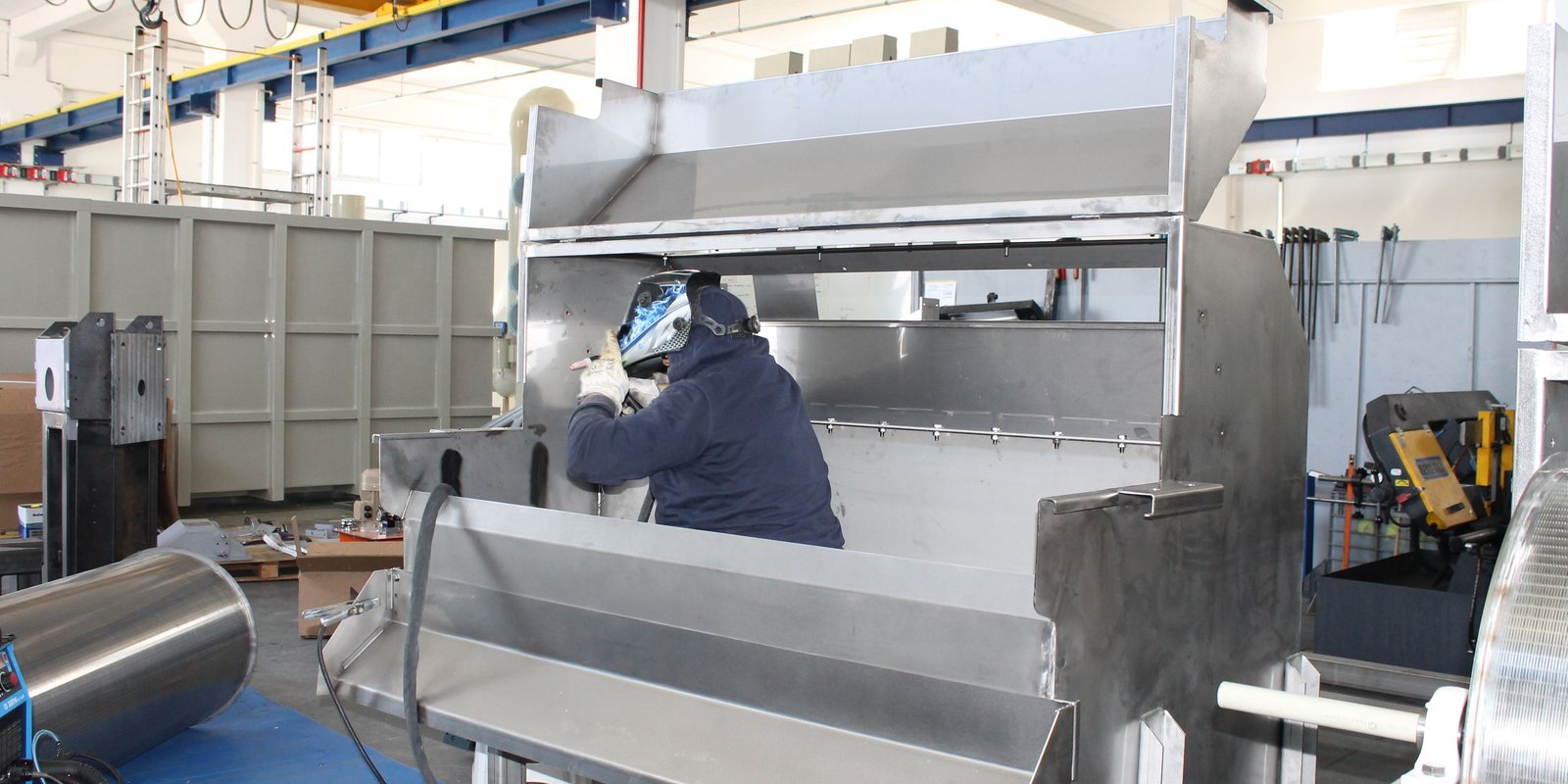
What engineer to order means
In an engineer-to-order business, the design is not finished when the customer asks for a price. Someone has to size, lay out or adapt the product for that order, and the engineering becomes part of the lead time. The bill of materials and the routing often exist only after that work is done.
ERP vendors draw the same line. Oracle’s JD Edwards documentation describes engineer to order as production that starts from raw materials and components, with no predefined options. Oracle’s cloud documentation describes configure to order as ordering and fulfilling a configured item.
ETO sits at one end of a range. At the other end, a make-to-stock plant builds a catalogue item before anyone orders it. Between them sit assemble to order, configure to order and make to order. They differ in how much of the product is fixed before the order arrives.
ETO, CTO, MTO, ATO and MTS in one table
The labels describe when the design is fixed and what the customer is allowed to change. Many plants run more than one of them, often on the same floor and sometimes within one product family.
| Strategy | When the design is fixed | What the customer chooses | Engineering on each order | Example |
|---|---|---|---|---|
| Make to stock (MTS) | Before any order | A catalogue item and a quantity | None | Standard mounting brackets kept on the shelf |
| Assemble to order (ATO) | Before any order, module by module | A combination of stocked modules | None | A control station assembled from stocked sub-assemblies |
| Configure to order (CTO) | Before any order, as options and the rules that combine them | Options inside the rules | None, while the rules cover the order | A conveyor section in a listed width, length and drive position |
| Make to order (MTO) | Before the order, as a released drawing | The item, the quantity and the date | Little or none | A machine guard built to a drawing the customer already approved |
| Engineer to order (ETO) | During the quote and after the order | Requirements rather than options | Yes, on every order | An equipment skid laid out for one customer’s machines and floor space |
Configure to order and engineer to order are the two that get confused. In CTO, someone engineered the options and the rules once, and each order is a selection inside them. In ETO, the order carries requirements, and an engineer turns them into a design. A plant moves an order from one column to the other whenever the customer asks for something the rules do not cover.
Engineer to order examples
The same product family can be CTO for one order and ETO for the next. Take a conveyor section. If the customer picks a width, a length and a drive position from your list, the order is configure to order. If the conveyor has to route around a column in an existing building and hand off to another supplier’s line, it is engineer to order.
These are typical ETO orders in a plant that makes equipment:
- An equipment skid, where the frame, the lifting points and the layout change with the machines mounted on it.
- A machine guard for a customer’s existing machine, measured on site and drawn for that machine.
- An electrical enclosure whose panel layout, cut-outs and wiring are designed for one control system.
- A special-purpose machine or fixture, where the process itself is designed for the customer.
- A material handling system laid out for one building, with its transfers, supports and guarding.
Where the engineering hours go before an order exists
In an ETO plant, much of the engineering happens during the quote. The customer wants a price, a lead time and a drawing that shows the product fits. To answer, someone sizes the main components, draws a layout and estimates the bill of materials. Someone also checks that the shop can build it.
That work is spent on every quote, including the ones you lose. It rarely appears in a cost report, because there is no job number yet to book the hours against. The engineering manager sees it anyway, because quotes wait for the same few people who also release drawings for orders already won.
Measure it before you change anything. For one month, record each quote that needed engineering, the hours it took and whether it became an order. With those records, you know what the quote stage costs and which of its steps repeat from one quote to the next.
What the quote stage has to produce
- A price that covers the engineering still to come, as well as the material and the build.
- A lead time that counts engineering, drawing approval and long-lead purchasing before the shop starts.
- A general arrangement drawing that shows the customer the overall size, the interfaces and the connection points.
- A scope that states what is included, what the customer supplies and which changes would move the price.
Engineer to order vs make to order
Make to order means the plant waits for an order before it builds, but the design already exists. The drawing, the bill of materials and the routing are released, and the order adds a quantity and a date. Engineer to order means the design itself waits for the order.
The difference shows up first in the lead time. In ETO, it includes the engineering and the customer’s approval of the drawings before any material is bought. It shows up again in costing. A make-to-order job can be costed from a standard, while an ETO job is estimated before its bill of materials exists.
It also shows up in the ERP. A system built for make to order expects a released bill at order entry. An ETO plant has to quote, take the order and start buying long-lead parts while the bill is still being designed.
How repeat engineering becomes rules
Read the engineering on your last twenty quotes and sort each step into two piles. One pile holds the work that was new for that customer. The other holds the same calculation or layout, done again with different inputs.
The second pile is repeat engineering. Each item in it is a rule nobody has written down. Examples are the frame size for a given load and the number of supports for a given length. Once a rule is written and tested against past orders, a configurator can apply it. That part of the quote then behaves like configure to order.
The engineers stay in charge of the rules. They decide which steps a rule can take over and which stay with a person, and they change a rule when the product changes. The configurator only applies what they wrote.
If your quotes already run through an Excel builder, part of the work is done. The rules sit in its lookup tables and formula chains, and reading the workbook formula by formula writes them down. The guide to product configurator software covers that step. CPQ for manufacturing covers how the price, the model and the drawing come out of the same rules.
ERP and software for engineer-to-order manufacturing
An ERP for custom manufacturing has to handle work that starts before the design is final. Check these four things against the system you run, or the one you are evaluating:
- A project or job that collects engineering hours and costs before the bill of materials is released.
- Separate engineering and manufacturing bills, with revisions that follow customer changes.
- Purchasing of long-lead items against a job whose bill is still incomplete.
- A comparison of the quoted estimate with actual hours and material once the job closes.
Engineer-to-order software around the ERP falls into a few groups. CPQ and configurator tools quote the orders the rules cover. CAD with design automation produces the models and drawings. Project tools schedule the engineering itself. A plant rarely needs all of them on day one.
When no packaged tool fits, a module can be built beside the ERP the plant keeps, reading its exports rather than replacing it. Custom manufacturing software covers how that is built and who approves what it drafts.
Where to start
- Pick one product family that you quote often and win only some of the time.
- Measure its quote stage for a month: the quotes, the engineering hours on each, and which became orders.
- Collect twenty past quotes with their drawings and prices, and sort the engineering into new and repeat work.
- Write the repeats as rules and test them on those past quotes until every difference is explained.
- Quote the covered orders from the rules, with a named person approving each one before it goes out.
ThriveAI builds that last step as a module on a workspace that holds your data. The rules come from your builder, the price from your own costs, and the model and quote drawing from your template. The AI CPQ offer describes the first four weeks.